


Zero point Dhaka

Traffic police's 'Topi' on Abdul Ghani Road

Traffic police's 'Topi' on Abdul Ghani Road

Abdul Ghani Road


3 generations of Bangladesh Secretariat- 5-storey block (front right) built in 1910's, 9-storey block (middle) in 1960's and 23-storey (rear) in 1980's.

Secretariate bldg- 23 storey central block

GPO

Dhaka City Corporation Bldg

Old High Court south east gate, Ramna


joyride


Ramna park


Ramna park


Oporajeo Bangla- front square of TSC

Panthapath

PG-Birdem Foot bridge corridor: The block on foreground (upto level-4) was Hotel Shahbagh built in 1952-53'.

Sonargaon hotel square

Banglamotor intersection- pedestrian's nightmare!


Dhanmandi Central

Sukrabad-Dhanmandi

Basundhara Mall


Shahbagh

SAARC fountain renovation

Petro Centre, Karwanbazar
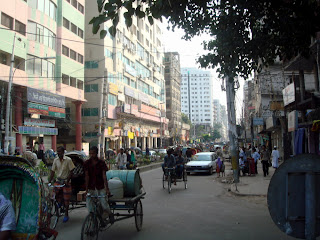
Green Road
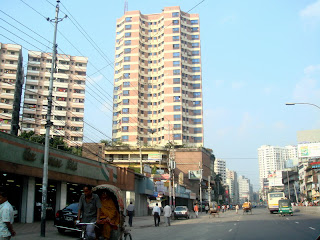
Kakrail-Shantinagar

Gulshan 2

Bangladesh Bank tower and Sena Kallyan Sangstha

Westin hotel


Gulshan Av


Mirpur Road

BCSIR- New Eleohant road

BGMEA

Dilkusha area

Maghbazar intersection
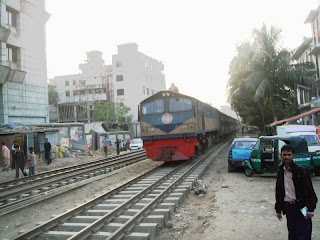
near Maghbazar rail crossing

train ride

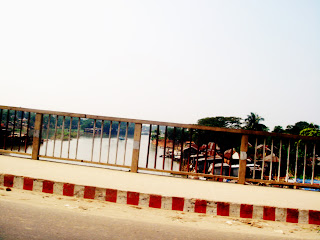
Tongi bridge

Zia Uddyan bridge

Parliament Bldg


horse carriage near old Fulbari Rly station


water tower near Bahadur Shah Park (old Victoria park)

Entry gate to Bahadur Shah Park (Anta Ghorer Maidan)- where the 'Sipahi Mutineers' of 1857 were hanged by the British and decomposed bodies kept hanging for days as exhibit.

Colonian tower mansion of JP Wise, Indigo planter facing Buriganga river
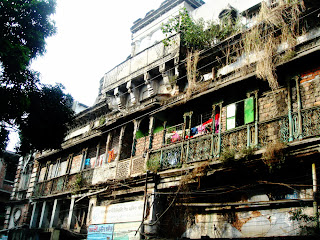
old building in Laxmibazar


Entry gate of Ahsan Manzil
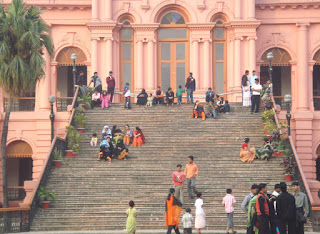
Main Stair of Ahsan Manzil

Ahsan Manzil- The Pink Palace

Mughal cannons in Museum

familiar face


Sunset at Buriganga- Goodbye 2007!

Petro Centre, Karwanbazar

Green Road

Kakrail-Shantinagar

Gulshan 2

Bangladesh Bank tower and Sena Kallyan Sangstha

Westin hotel


Gulshan Av


Mirpur Road

BCSIR- New Eleohant road

BGMEA

Dilkusha area

Maghbazar intersection

near Maghbazar rail crossing

train ride


Tongi bridge

Zia Uddyan bridge

Parliament Bldg


horse carriage near old Fulbari Rly station


water tower near Bahadur Shah Park (old Victoria park)

Entry gate to Bahadur Shah Park (Anta Ghorer Maidan)- where the 'Sipahi Mutineers' of 1857 were hanged by the British and decomposed bodies kept hanging for days as exhibit.

Colonian tower mansion of JP Wise, Indigo planter facing Buriganga river

old building in Laxmibazar


Entry gate of Ahsan Manzil

Main Stair of Ahsan Manzil

Ahsan Manzil- The Pink Palace

Mughal cannons in Museum

familiar face


Sunset at Buriganga- Goodbye 2007!

